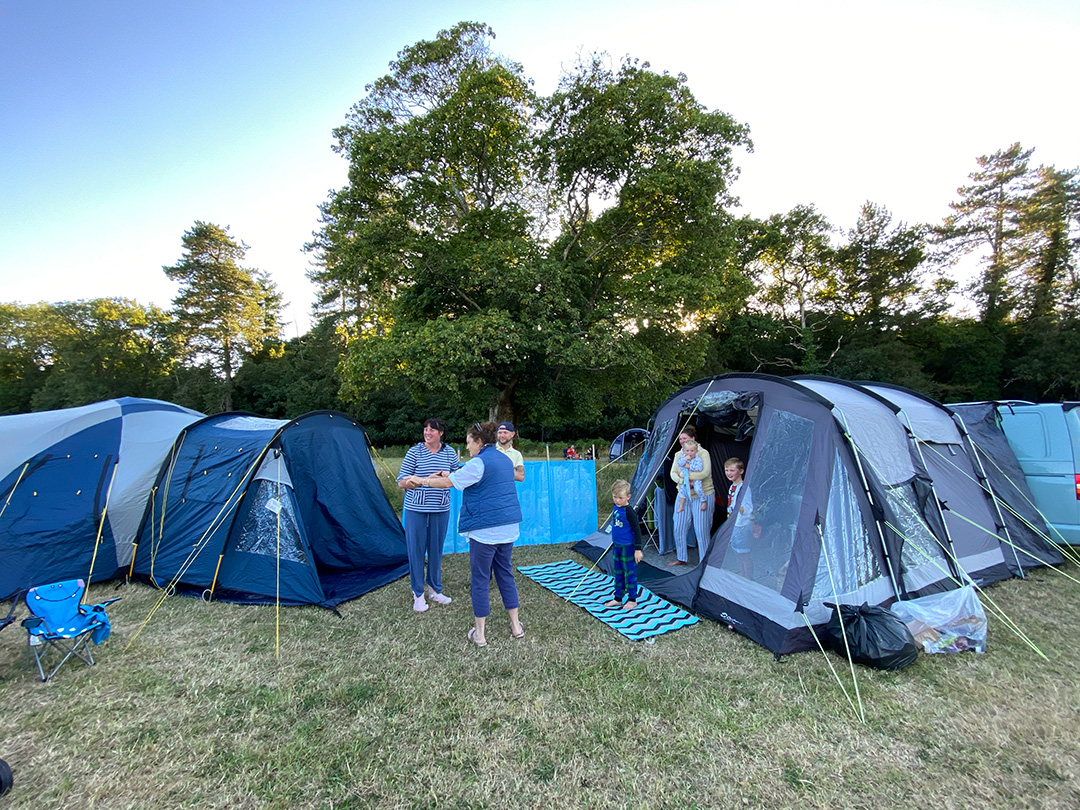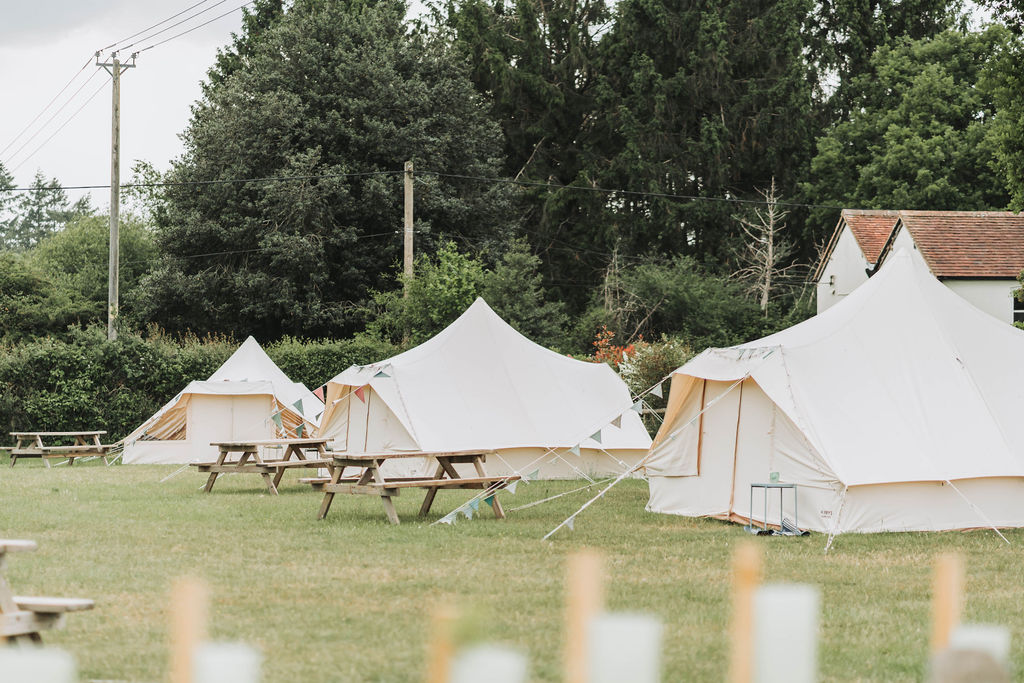
Camping is a wonderful experience, and everyone should try it at least once in their life. It offers a chance to step away from the hustle of daily life and immerse yourself in and reconnect with nature’s simplicity. For those new to outdoor experiences, camping provides a gentle introduction to exploring the world beyond screens and schedules. It’s a chance to learn basic survival skills, appreciate the beauty of natural landscapes, and foster a deeper connection with the environment.
Beyond the practical benefits, spending time in nature has been shown to reduce stress, improve mood, and spark creativity, making camping a rewarding escape for the mind and body.
To help ease you into your first adventure into the great outdoors, our team at Harry’s has prepared some essential camping tips for beginners to have in mind before stepping into the world of camping.
Start By Planning Your Trip
Proper planning is the key to a successful camping trip, especially for beginners. Start by choosing a campsite that matches your experience level, with amenities like water access, restrooms, and designated fire pits for added convenience, comfort, and safety. Research the facilities available to ensure you pack accordingly and know what to expect upon arrival. Checking the weather forecast is crucial, as it helps you prepare for rain, wind, or temperature changes.
Additionally, don’t forget to take time to learn about the local wildlife—knowing how to store food securely and avoid unwanted encounters can make your trip safer and more enjoyable. Thoughtful preparation ensures a smooth and stress-free camping experience for the whole family.
Don’t Forget to Pack The Essential Gear
To have a comfortable and enjoyable camping experience, you need to make sure you’ve packed the right gear. Start with the basics: a sturdy tent and reliable sleeping gear, like a sleeping bag and mat, to keep you warm and protected. For meals, bring portable cooking essentials such as a compact stove, lightweight utensils, and easy-to-prepare food. Dress in layers and choose weather-appropriate clothing and footwear to stay comfortable in varying conditions. Don’t forget safety items and camping gadgets, including a well-stocked first aid kit, a flashlight with extra batteries, and detailed maps or a GPS device.
Having these essentials at hand really ensures you’re prepared for whatever your camping adventure brings.
First-Time Activities to Try
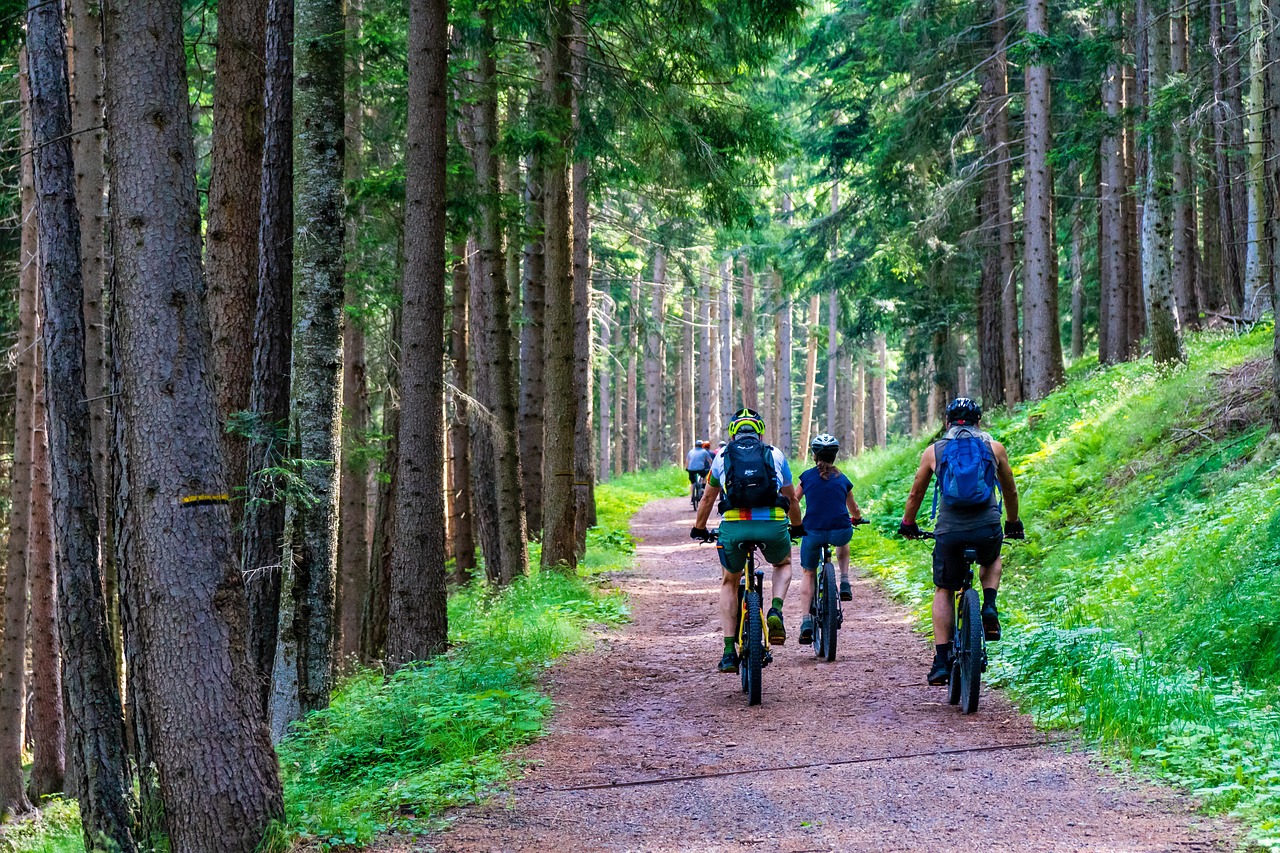
As a first-time camper, we suggest you start with easy hiking trails to explore the area, enjoy the scenic views, and build your confidence in the outdoors. And why not take a short walk to the local pub? It counts!
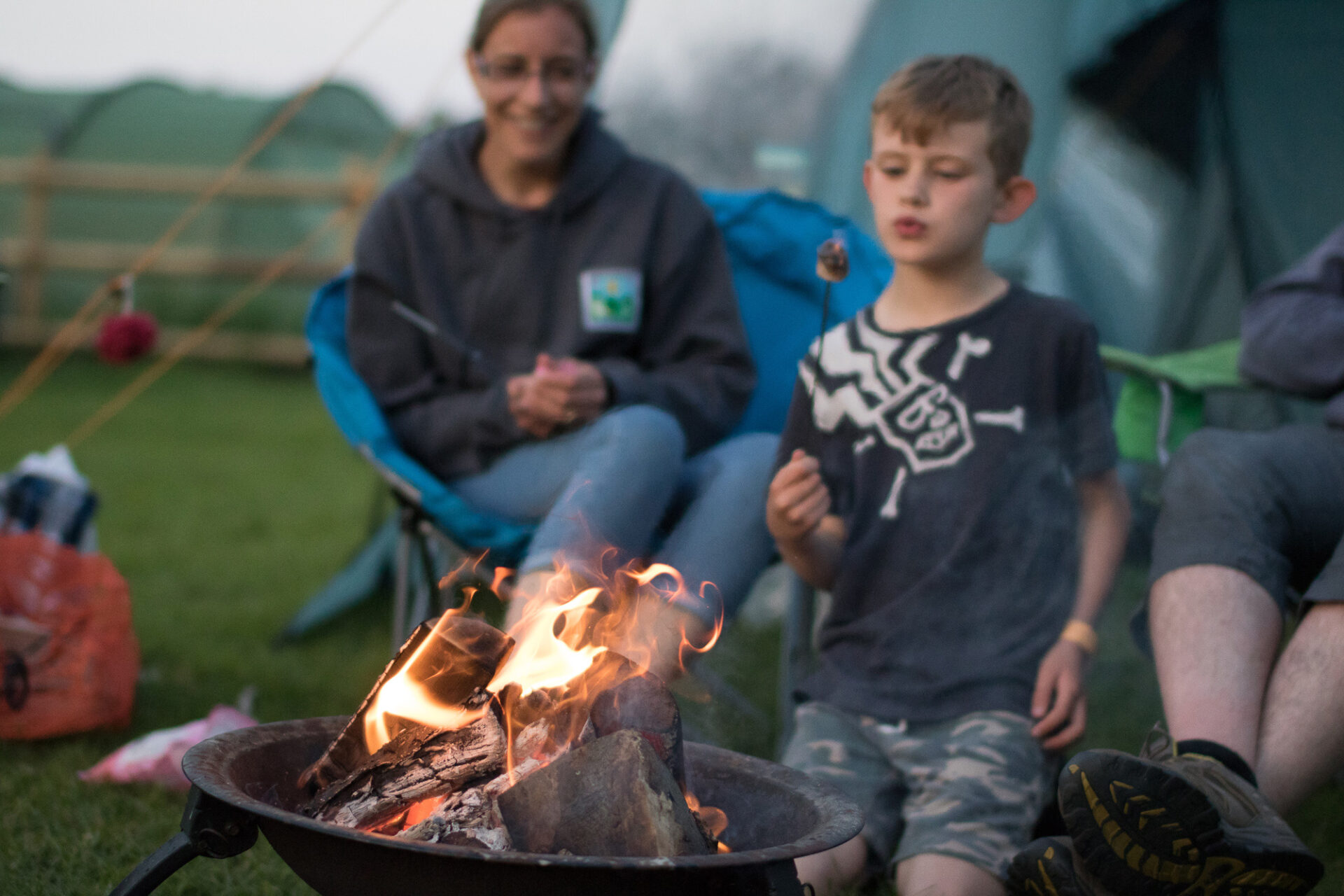
Cooking over a campfire can also be a fun and rewarding experience—roasting marshmallows or preparing a hearty meal adds a rustic charm to your adventure. As night falls, stargazing can offer a magical way to connect with the cosmos; try identifying constellations or simply marvel at the vastness of the sky.
For quieter moments, journaling or sketching allows you to reflect on your surroundings and create a personal keepsake of your first camping trip.
Several Things to Expect as A Beginner
For beginners, camping requires some adjustment to the simplicity of outdoor living. Without Wi-Fi or modern comforts, you’ll find yourself more in tune with the natural world, which can be both refreshing and challenging.
Expect to encounter bugs, unpredictable weather, or the occasional discomfort from sleeping outdoors—but these moments are all part of the adventure. Packing essentials like bug spray, waterproof gear, and a positive attitude will help you navigate these challenges.
Embrace the slower pace, savour the quiet moments, and allow yourself to disconnect from the rush of daily life. These small adjustments lead to a rewarding and grounding experience and more time to bond with nature and loved ones.
Camping Do’s & Don’ts
When camping, following the basic do’s and don’ts, ensures both a safe trip and a positive impact on the environment and others around you. Always respect nature by adhering to Leave No Trace principles—pack up all trash, minimise campsite disturbances, and preserve the beauty of the outdoors for others to enjoy. Keep food securely stored to prevent attracting wildlife, as leaving it out can lead to unwanted encounters and disrupt local ecosystems. Lastly, be prepared for rainy days by bringing alternative activities like board games, books, or card games.
These mindful practices will make your camping experience more enjoyable and environmentally responsible.
Quick Camping Recipes to Have at Hand
There are some easy camping meals that can make mealtime a highlight of your outdoor adventure. Opt for simple dishes that can be prepared over a campfire or portable stove, such as foil-wrapped veggies, hearty stews, or classic campfire sandwiches. For breakfast, why not try oatmeal with dried fruits or scrambled eggs for a protein-packed start? Snacks like trail mix, energy bars, or fresh fruit are perfect for fueling hikes and other activities when you might need that extra energy boost.
Preparing some ingredients at home, like chopped vegetables or pre-seasoned meats, can save time and effort at the campsite, ensuring delicious meals without the hassle.
Wrapping Up Your Trip
As your camping trip comes to an end, taking the time to wrap up properly is essential. Begin by thoroughly cleaning your campsite—put all rubbish in the bin, dismantle your tent, and ensure the area is as pristine as when you arrived. This not only respects nature but also sets a good example for future campers.
Take time to reflect on your experience, considering what you enjoyed most and what you could improve for next time. Perhaps you discovered a love for stargazing or realised you need a better sleeping bag. Use these insights to plan your next adventure, making each trip even more memorable than the last.
Final Tips For Success in The Great Outdoors
To ensure a successful camping experience, start small with weekend trips to build your confidence and comfort level. Inviting friends or family can provide valuable support, making the experience more enjoyable and less intimidating, especially for first-timers.
Most importantly, stay flexible—weather, wildlife, and unexpected challenges are part of the adventure. Embrace the experience, focus on having fun, and let go of rigid expectations. Each trip will teach you something new, and soon, you’ll find yourself looking forward to many more outdoor adventures.